In today’s world, where chemical fertilizers have become the go-to solution for improving crop yields, the adverse effects on soil health, biodiversity, and human well-being are increasingly evident. As farmers, gardeners, and environmental enthusiasts look for sustainable alternatives, vermicompost emerges as an eco-friendly, nutrient-rich, and cost-effective option for enriching the soil and promoting plant growth.
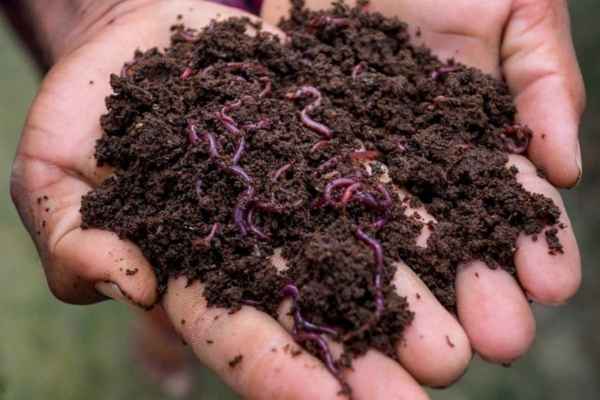
Vermicompost is organic compost produced through the breakdown of biodegradable materials by earthworms. The process, known as vermi-composting, involves feeding kitchen waste, plant residues, manure, and other organic matter to earthworms, which digest and excrete nutrient-dense castings. These castings, often called “worm castings,” are a rich source of essential nutrients, beneficial microbes, and growth-promoting substances that enhance soil fertility and structure.
Nutrient-Rich
Vermicompost contains a balanced mix of nitrogen, phosphorus, potassium, calcium, magnesium, and micronutrients that are easily absorbable by plants. The nutrients are released slowly, ensuring a steady supply over time.
Improves Soil Structure
Earthworm castings improve soil aeration, water retention, and drainage. This creates an ideal environment for roots to grow, while also preventing soil erosion.
Boosts Microbial Activity
The beneficial microbes present in vermicompost help decompose organic matter, fix nitrogen, and suppress harmful pathogens. These microbes create a healthy soil ecosystem, improving plant resilience against diseases.
Eco-Friendly and Sustainable
Vermicomposting reduces organic waste sent to landfills and helps cut down on greenhouse gas emissions. It is a natural method of waste recycling that promotes circular resource management.
Non-Toxic and Safe
Unlike chemical fertilizers, vermicompost is free from harmful chemicals and additives, making it safe for humans, animals, and the environment.
Setting up a small vermicomposting system is simple and requires minimal space. Here’s how you can start:
Choose a Container – Use a plastic bin, wooden box, or an old container with holes for aeration and drainage.
Add Bedding – Fill the container with moist materials like shredded newspaper, coconut coir, dried leaves, or cardboard.
Introduce Earthworms – Red wigglers (Eisenia fetida) are the most efficient for composting. Add 500-1000 worms depending on the container size.
Feed Organic Waste – Add vegetable peels, fruit scraps, tea leaves, and plant residues. Avoid dairy products, oily foods, and meat scraps.
Maintain Moisture – The bedding should remain damp but not waterlogged. Cover the bin to retain moisture and prevent pests.
Harvest – After 2-3 months, the compost will be dark, crumbly, and earthy-smelling. Harvest by gently separating the worms from the compost.
Home Gardening – Enhances vegetable, herb, and flower growth.
Agriculture – Reduces dependency on chemical fertilizers and boosts crop yield.
Nurseries – Promotes healthy root development and disease resistance.
Landscaping – Improves soil texture and supports sustainable green spaces.
Vermicompost is more than just an organic fertilizer—it’s a step toward healthier soil, sustainable agriculture, and a cleaner environment. By adopting vermicomposting, you not only manage waste efficiently but also contribute to building a resilient ecosystem. Whether you’re a farmer aiming to reduce chemical inputs or a gardener seeking natural solutions, vermicompost offers a powerful, environmentally responsible way to nourish the earth.
Start small, stay consistent, and watch your garden thrive—one worm at a time!
Compost (Organic Compost)
Vermicompost (Worm Compost)
Bio-manure
Green Manure
info@crofteragro.com
+91 8800105797
B4, First Floor, Workspace by Innova, Sector 63, Noida, U.P, 201301
Copyright © 2025 Crofter Agro
This website uses cookies to provide you with the best browsing experience.