In today’s world, where chemical fertilizers dominate agriculture, the importance of organic compost is being rediscovered by farmers, gardeners, and eco-conscious individuals. Organic compost is not just a fertilizer; it is a natural soil conditioner that restores fertility, improves crop yield, and helps the environment. Whether you are growing crops on a large scale or maintaining a small kitchen garden, organic compost plays a vital role in healthy, sustainable farming.
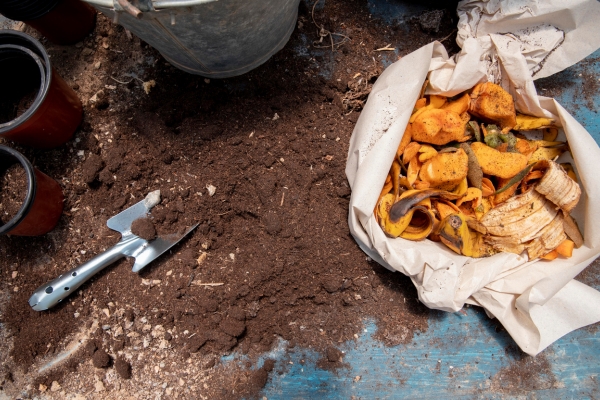
Organic compost is a nutrient-rich natural fertilizer made by decomposing organic matter such as kitchen waste, dry leaves, animal manure, crop residues, and garden clippings. During the composting process, microorganisms break down these materials into humus, which is packed with essential nutrients like nitrogen, phosphorus, and potassium.
Unlike synthetic fertilizers, organic compost does not harm the soil or groundwater. Instead, it enhances the soil’s structure, retains moisture, and promotes healthy microbial activity.
Organic compost provides a steady supply of essential nutrients to plants. It enriches the soil with nitrogen, phosphorus, potassium, and micronutrients, which are slowly released and absorbed by crops.
One of the major advantages of organic compost is its ability to improve soil texture. It makes sandy soils better at retaining water and prevents clay soils from becoming waterlogged. The result is a balanced soil that promotes better root development.
Organic compost is full of beneficial microorganisms that are essential for soil health. These microbes help break down organic matter, making nutrients more available to plants. They also protect plants from harmful pathogens.
Using organic compost reduces dependence on chemical fertilizers, which often degrade soil quality over time. Composting also helps recycle biodegradable waste, reducing the burden on landfills and lowering greenhouse gas emissions.
Farmers using organic compost often report healthier crops and higher yields. The slow release of nutrients ensures that plants grow steadily and remain resilient against diseases and pests.
Making organic compost is simple and cost-effective. Here’s a step-by-step guide:
Choose a Compost Bin or Pit – Select a shaded, well-drained spot for composting. You can use a container, a pit, or a simple heap.
Add Organic Materials – Collect kitchen scraps (vegetable peels, fruit waste, coffee grounds), garden waste (leaves, grass clippings), and animal manure. Avoid meat, dairy, and oily food as they attract pests.
Layer the Materials – Alternate between dry (brown) materials like dried leaves and wet (green) materials like vegetable peels. This maintains the right balance of carbon and nitrogen.
Maintain Moisture and Aeration – Keep the pile moist but not soggy. Turn the pile every few weeks to provide oxygen for microorganisms.
Wait for Decomposition – In 2–3 months, the waste will break down into dark, crumbly compost with an earthy smell.
In Agriculture – Farmers use organic compost to improve soil fertility and reduce dependency on costly chemical fertilizers.
In Gardening – Home gardeners add compost to flower beds, vegetable gardens, and potted plants for healthier growth.
For Lawns – A thin layer of compost on lawns enhances grass growth and prevents soil compaction.
For Organic Farming – Organic compost is the backbone of organic farming, ensuring eco-friendly and sustainable crop production.
Organic compost is more than just a natural fertilizer—it is a complete solution for soil health, plant growth, and environmental sustainability. By using organic compost, we not only recycle waste effectively but also contribute to reducing pollution, improving food quality, and protecting future generations.
Whether you are a farmer aiming for better yield, a gardener wanting healthier plants, or someone looking to reduce household waste, organic compost is the best choice. It’s nature’s way of giving back to the soil what we take from it.
Switch to organic compost today—grow healthier crops, save the environment, and build a greener future. 🌱
Compost (Organic Compost)
Vermicompost (Worm Compost)
Bio-manure
Green Manure
info@crofteragro.com
+91 8800105797
B4, First Floor, Workspace by Innova, Sector 63, Noida, U.P, 201301
Copyright © 2025 Crofter Agro
This website uses cookies to provide you with the best browsing experience.