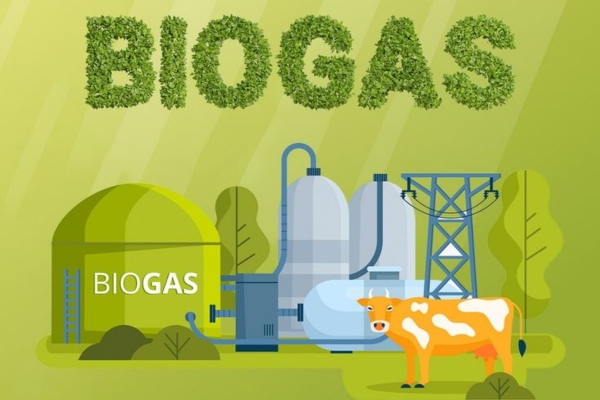
How is Biogas Produced? Process, Stages, and Benefits Explained
Biogas is one of the most promising sources of renewable energy. It not only helps in waste management but also produces clean fuel that can replace traditional fossil fuels. Many people ask: “How is biogas produced?” In this article, we’ll explore the step-by-step process, the science behind it, and why it’s important for a sustainable future.
What is Biogas?
Biogas is a mixture of methane (CH₄), carbon dioxide (CO₂), and small traces of other gases. It is produced when organic matter such as food waste, crop residues, manure, or sewage decomposes in the absence of oxygen. This process is called anaerobic digestion.
How is Biogas Produced?
The production of biogas takes place in a specially designed system known as a biogas digester or biogas plant. The process happens in multiple stages:
1. Collection of Organic Waste
Organic materials such as agricultural residue, kitchen waste, livestock manure, or sewage sludge are collected. This becomes the raw material for biogas production.
2. Feeding into the Biogas Plant
The collected waste is mixed with water to form a slurry and fed into the biogas digester, a sealed tank that prevents air from entering.
3. Anaerobic Digestion Process
Inside the digester, microorganisms break down the organic matter in the absence of oxygen. This process takes place in four main stages:
Hydrolysis: Complex organic matter (carbohydrates, fats, proteins) is broken into simple molecules.
Acidogenesis: These molecules are converted into volatile fatty acids and alcohols.
Acetogenesis: The acids are converted into acetic acid, carbon dioxide, and hydrogen.
Methanogenesis: Methanogenic bacteria convert these products into methane and carbon dioxide – the main components of biogas.
4. Biogas Collection
The biogas produced rises to the top of the digester and is collected through pipes. It can be stored in gas holders or supplied directly for use.
5. By-Product: Bio-Slurry
The leftover material, known as digestate or bio-slurry, is rich in nutrients and can be used as organic fertilizer in farming.
Uses of Biogas
Cooking & Heating: A clean and smoke-free alternative to firewood and LPG.
Electricity Generation: Powering turbines and generators.
Vehicle Fuel: After purification, biogas becomes Compressed Biogas (CBG), a substitute for CNG.
Organic Fertilizer: The digestate improves soil fertility.
Benefits of Biogas Production
Renewable Energy Source: Produced continuously from organic waste.
Reduces Waste: Manages household, agricultural, and industrial waste.
Eco-Friendly: Lowers greenhouse gas emissions and reduces dependency on fossil fuels.
Cost-Effective: Provides energy at a lower cost in the long run.
Supports Farmers: By-products like bio-manure enrich the soil naturally.
Biogas Production in India
India generates millions of tons of organic waste every year. By adopting biogas plants, the country can not only reduce waste management issues but also strengthen its renewable energy sector. Programs like the SATAT scheme (Sustainable Alternative Towards Affordable Transportation) are already promoting the use of Compressed Biogas (CBG).
Conclusion
So, how is biogas produced? It’s a natural process where microorganisms break down organic waste in the absence of oxygen, creating methane-rich gas and nutrient-rich fertilizer. From cooking fuel to vehicle energy, biogas is a sustainable solution that benefits both the environment and the economy.
Biogas is not just a renewable energy source – it’s a green alternative for a cleaner and brighter future. 🌱